
Subtotal $0.00
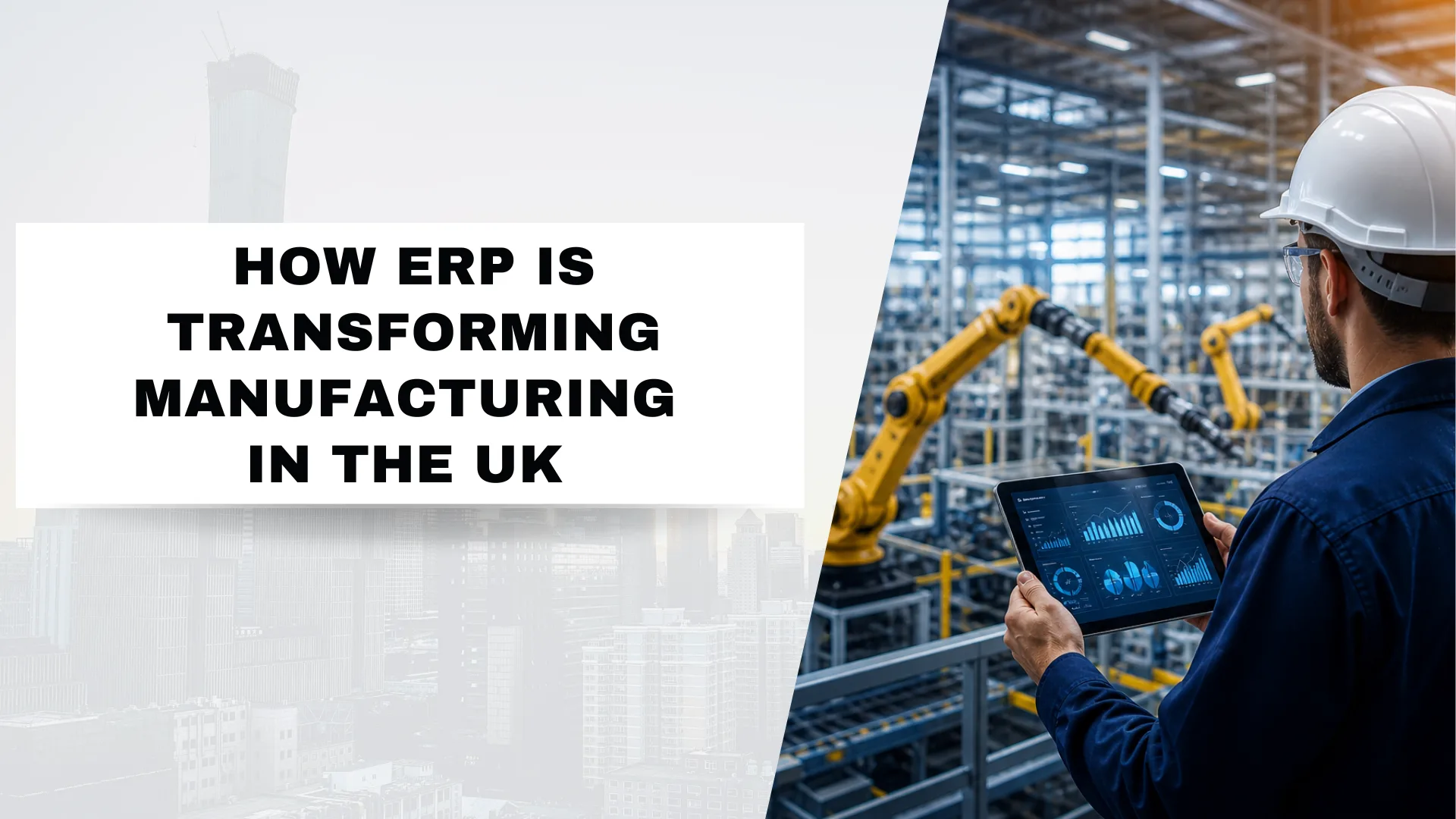
The manufacturing industry in the UK is experiencing a major digital shift. Increasing competition, supply chain disruptions, and rising operational costs are pushing businesses to adopt smarter technologies. One of the most impactful innovations driving this transformation is Enterprise Resource Planning (ERP).
Modern ERP platforms like Microsoft Dynamics 365 are helping manufacturers streamline operations, improve efficiency, and gain real-time insights into their business processes. Instead of relying on disconnected systems, companies can now manage everything from production to finance in one integrated platform.
The Changing Landscape of UK Manufacturing
UK manufacturers are moving toward data-driven and automated operations. Traditional systems no longer meet the demands of
- Real-time decision-making
- Custom production requirements
- Global supply chain complexities
- Regulatory compliance
ERP systems provide a centralised solution that connects every department, enabling better coordination and faster responses to market changes.
What is ERP in Manufacturing?
ERP (Enterprise Resource Planning) is a software solution that integrates core business processes such as:
- Production planning
- Inventory management
- Procurement
- Finance
- Sales and customer management
Solutions like Dynamics 365 Business Central are designed to support growing manufacturers with flexible and scalable tools.
Key Ways ERP is Transforming Manufacturing
1. Real-Time Visibility Across Operations
ERP systems provide a unified dashboard where manufacturers can monitor operations in real time.
This helps businesses:
- Track production performance
- Monitor inventory levels
- Identify inefficiencies quickly
- Make faster decisions
With accurate data available instantly, companies can reduce delays and improve productivity.
2. Smarter Supply Chain Management
Supply chain disruptions have become a major concern for manufacturers. ERP systems improve supply chain efficiency by:
- Enhancing demand forecasting
- Improving supplier coordination
- Reducing delays and shortages
- Increasing transparency
Advanced tools within Microsoft Dynamics 365 Supply Chain Management allow businesses to anticipate risks and respond proactively.
3. Improved Production Planning
ERP solutions help manufacturers optimise production schedules and resource allocation.
Key benefits include the following:
- Better machine utilisation
- Reduced downtime
- Accurate production timelines
- Lower operational costs
Automation also minimises manual errors, ensuring smoother operations.
4. Efficient Inventory Management
Inventory control is critical for profitability. ERP systems provide:
- Real-time stock tracking
- Automated replenishment
- Demand-based inventory planning
- Reduced excess stock
This ensures that manufacturers maintain the right balance between supply and demand.
5. Integrated Financial Management
ERP platforms connect financial data with operational processes, enabling the following:
- Real-time financial reporting
- Cost tracking and control
- Budget management
- Regulatory compliance
This integration helps businesses maintain financial accuracy and transparency.
6. Automation and Intelligent Insights
Modern ERP systems are powered by AI and automation, allowing manufacturers to:
- Automate repetitive tasks
- Predict maintenance needs
- Generate intelligent forecasts
- Improve decision-making
These capabilities reduce operational risks and increase efficiency.
7. Enhanced Customer Experience
ERP systems with built-in CRM capabilities help manufacturers deliver better customer service by:
- Streamlining order processing
- Providing accurate delivery timelines
- Improving communication
- Personalising customer interactions
This leads to stronger relationships and higher customer satisfaction.
Benefits of ERP for UK Manufacturers
Increased Productivity: By eliminating manual processes, ERP systems significantly improve efficiency.
Scalability: Cloud-based ERP solutions allow businesses to grow without major infrastructure investments.
Better Decision-Making: Real-time analytics provide insights that support strategic planning.
Compliance and Security: ERP systems help ensure adherence to industry regulations and data security standards.
Competitive Advantage: Companies using ERP can respond faster to market demands and outperform competitors.
Why Businesses are Choosing Microsoft Dynamics 365
Many manufacturers prefer Microsoft Dynamics 365 because of its flexibility and advanced capabilities.
Key advantages include the following:
- Cloud-based deployment
- Integration with Microsoft tools
- AI-driven analytics
- Customisable features
- Strong data security
Solutions such as Dynamics 365 Business Central are especially useful for small and mid-sized manufacturers looking to scale efficiently.
Importance of ERP Implementation and Support
Successful ERP adoption depends on proper planning and expert guidance. Businesses often seek professional services for:
- System implementation
- Data migration
- Customisation
- Ongoing support
Challenges in ERP Adoption
While ERP offers significant benefits, businesses may face challenges such as:
- Initial investment costs
- Employee resistance to change
- Complex data migration
- Training requirements
These challenges can be minimised with the right strategy and experienced implementation partners.
Future of ERP in Manufacturing
AI and Machine Learning: ERP systems will increasingly provide predictive and automated insights.
IoT Integration: Connected devices will enable real-time monitoring of production processes.
Cloud Adoption: More businesses will move to cloud-based ERP for flexibility and scalability.
Advanced Analytics: Data-driven insights will become essential for competitive advantage.
Sustainability Tracking: ERP systems will help manufacturers monitor environmental impact and compliance.
How to Choose the Right ERP System
When selecting an ERP solution, manufacturers should consider:
- Business requirements
- Industry-specific features
- Scalability
- Integration capabilities
- Vendor expertise
Platforms like Microsoft Dynamics 365 offer a comprehensive solution tailored to modern manufacturing needs.
FAQs
Q1. What is ERP in manufacturing?
Ans: ERP is a system that integrates production, inventory, finance, and other business processes into one platform.
Q2. How does ERP benefit manufacturers?
Ans: It improves efficiency, reduces costs, and provides real-time insights for better decision-making.
Q3. Is ERP suitable for small manufacturers?
Ans: Yes, solutions like Dynamics 365 Business Central are designed for small and mid-sized businesses.
Q4. How long does ERP implementation take?
Ans: It depends on business size and complexity, typically ranging from a few months to a year.
Q5. What are the key features of modern ERP systems?
Ans: Automation, AI insights, cloud access, real-time reporting, and integration capabilities.
Q6. Can ERP improve supply chain efficiency?
Ans: Yes, it enhances forecasting, inventory management, and supplier coordination.
Q7. What industries benefit from ERP?
Ans: Manufacturing, retail, logistics, healthcare, and finance sectors benefit significantly.
Conclusion
ERP systems are transforming manufacturing in the UK by enabling smarter, faster, and more efficient operations. Instead of relying on outdated processes, businesses are adopting integrated platforms to stay competitive in a rapidly evolving market.
Solutions like Microsoft Dynamics 365 provide the tools manufacturers need to streamline operations, improve decision-making, and drive long-term growth.
Comments are closed